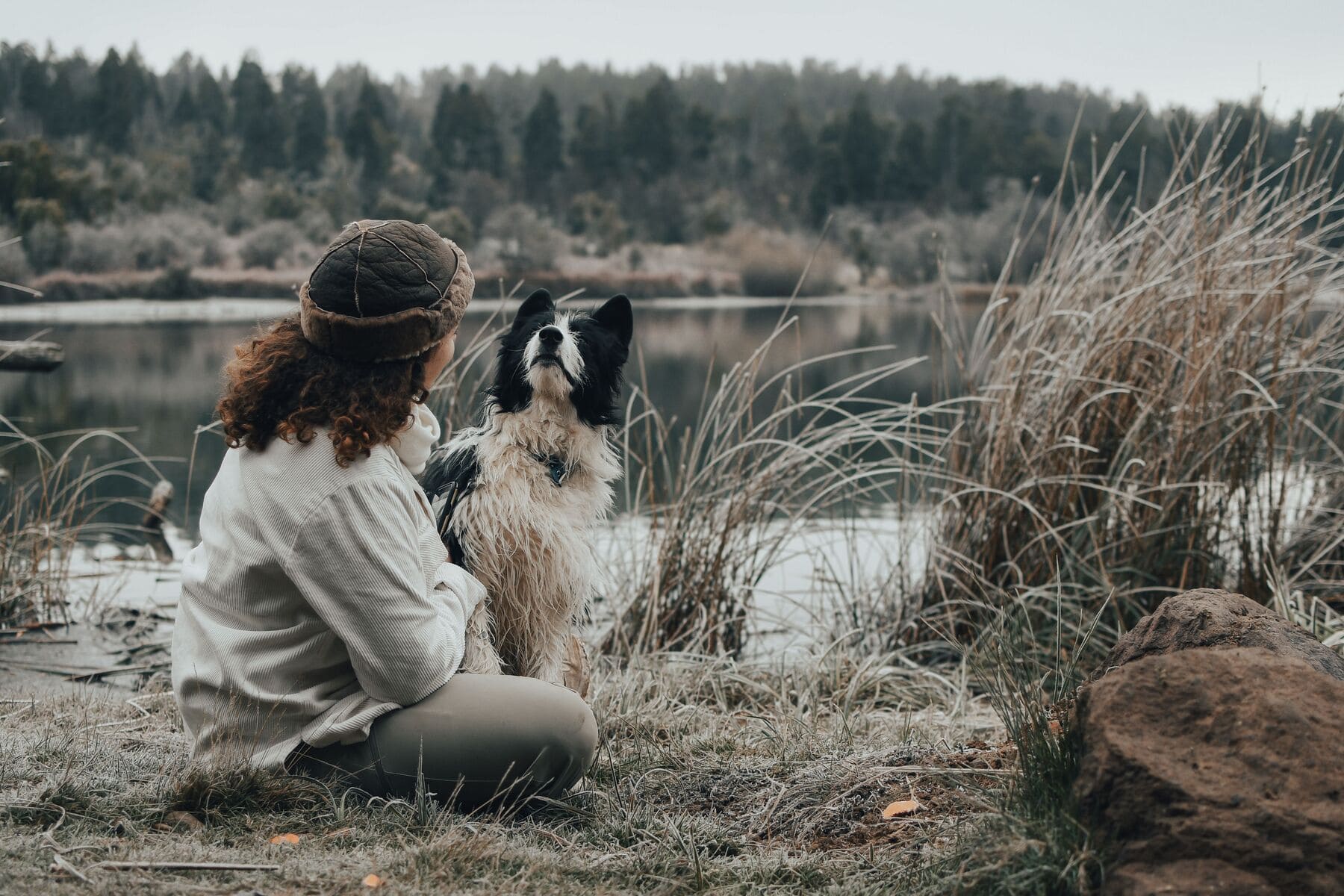
If you find a lost or stray dog, the most important thing is to keep the dog safe and try to reunite them with their owner. Approach calmly and carefully, as a frightened dog may be nervous or defensive. If it is safe to do so, secure the dog in a safe place away from traffic and other animals.
Check whether the dog is wearing a collar or identification tag. The details on the tag may allow you to contact the owner directly. You can also take the dog to a local veterinary practice or animal rescue centre where they may be able to scan the dog for a microchip. A microchip can provide the registered keeper’s details and is one of the best ways of identifying where a lost dog belongs.
You should also report the found dog to the appropriate local authority and contact nearby animal rescue organisations. Posting a photograph and description on local lost-and-found pet groups can also help, but avoid sharing every identifying detail.
Proof of Identity When Reclaiming a Found Dog
If you believe a dog belongs to you, you may be asked to provide evidence that you are the dog’s owner or registered keeper. Useful evidence can include photographs of you with the dog, veterinary records, vaccination records, insurance documents, adoption or purchase paperwork, and microchip registration details.
A genuine owner should also be able to accurately describe the dog, including distinctive markings, scars, colours, sex, approximate age, and any other identifying features that have not been publicly disclosed.
For everyone’s protection, a person finding a dog should not hand the animal over solely because someone provides a photograph from social media. Ask for several pieces of information and, where possible, have the dog’s microchip details checked through a vet or authorised organisation.
If ownership is disputed, contact the local authority, police where appropriate, or an animal welfare organisation rather than attempting to resolve the dispute yourself. The priority should always be the dog’s safety and ensuring they are returned to the correct person.

We often get alerted to a situation where a dog has disappeared down a badger sett, here’s some useful information – with thanks to the Badger Trust.
 Please keep dogs on leads near badger setts; Curious dogs may be drawn to a badger’s scent and sounds, leading to injuries or even fatalities if they enter the sett.
 What to do if your dog enters a badger sett:
Confirm whether your dog has actually gone into the sett through an entrance hole—sometimes, they’ve just run past or around it.
Do NOT dig—though it might feel like the right thing to do, digging is illegal without a licence and could put both your dog and the badgers in serious danger.
Identify the hole your dog entered and carefully monitor that and any nearby exits, as they may find their way out on their own.
Note your location—using a grid reference or a service like what3words can be very helpful. Then, contact the RSPCA, your local Badger Group, or Badger Trust for guidance.
Be patient—you must wait up to 48 hours (unless your dog emerges sooner) before considering further action. In most situations, the dog will find its way out within this time. If not, reach out again to the RSPCA, your local Badger Group, or Badger Trust.
Useful contacts: Badger Trust & RSPCA